Cricket reached Sri Lanka in the early 1800s, when the island was known as Ceylon and under British rule. Soldiers and colonial officials played the game first, and records point to matches in Colombo as early as the 1830s. Over the following decades, schools and clubs took it up, and by the late 1800s cricket had become a serious part of life in Colombo, Kandy and Galle. Schools such as Royal College, S. Thomas College and Trinity College helped shape the first generations of local players, and their annual rivalries are still followed with great passion today.
The game gained structure in the 1920s with the formation of the Ceylon Cricket Association, which later became the board we know as Sri Lanka Cricket. The country joined the International Cricket Council as an associate member in 1965, a step that opened the door to international competition. Sri Lanka took part in the 1975 and 1979 World Cups, and these early tournaments gave the players a first taste of the global stage, even though wins were hard to come by against established teams.

The big breakthrough came in 1981, when Sri Lanka was granted full member status. The team played its first Test match in February 1982 against England in Colombo, and from that point the country was a permanent part of world cricket. The early years were difficult, with few victories and long gaps between series, but the foundations were being laid. Players like Duleep Mendis and Roy Dias carried the side through that period, and a young captain named Arjuna Ranatunga began to build a new attitude in the dressing room.
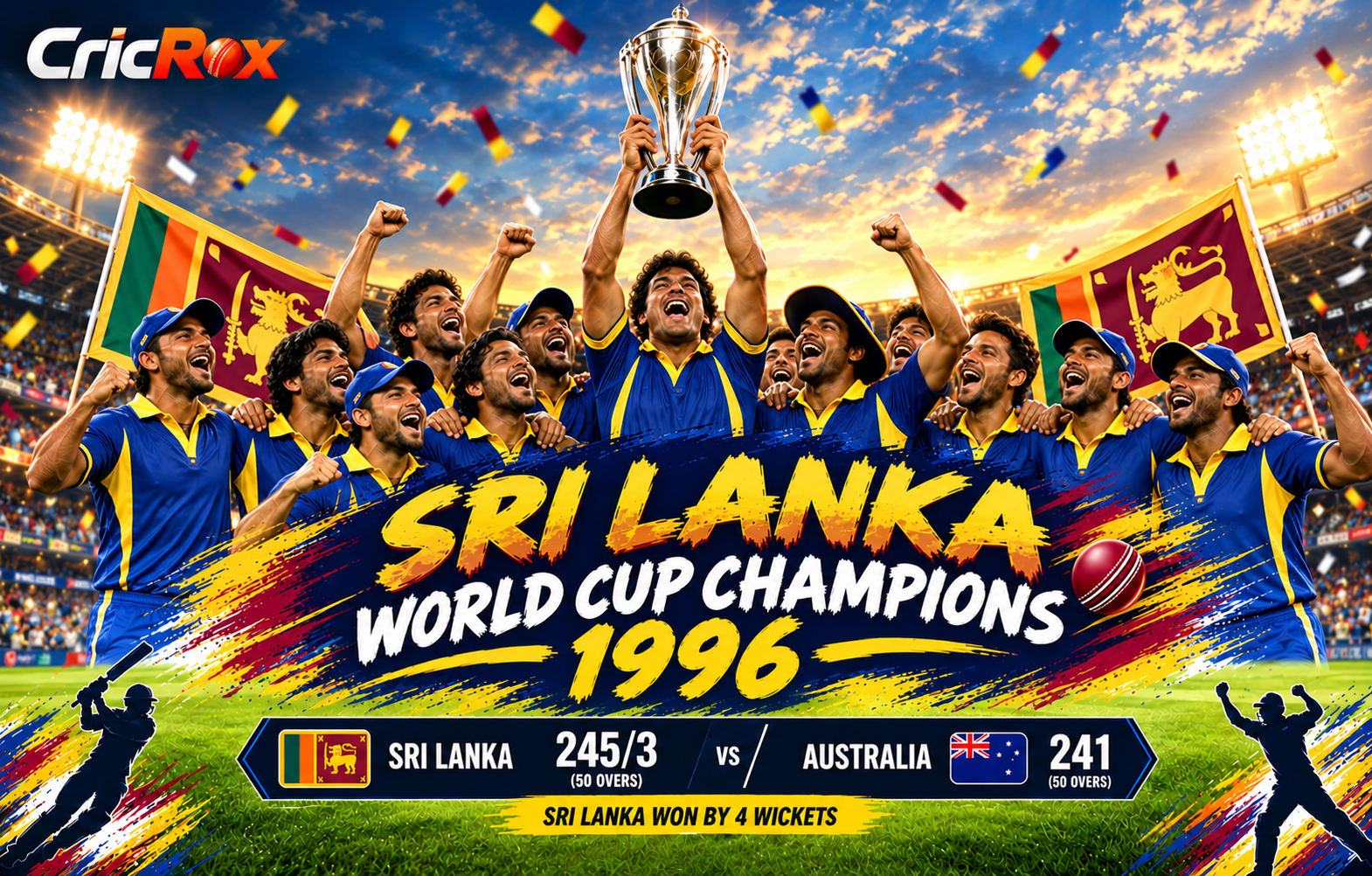
That attitude paid off in the 1990s. A group of fearless players, including Sanath Jayasuriya, Aravinda de Silva, Romesh Kaluwitharana, Hashan Tillakaratne and the spin wizard Muttiah Muralitharan, changed how one day cricket was played. Their aggressive opening approach shocked opponents, and the team went on to win the 1996 World Cup, beating Australia in the final in Lahore. The title made Sri Lanka the third nation from the subcontinent to lift the trophy, after India and Pakistan, and it turned cricket into the nation's favourite sport.
The years that followed produced more great names and more big moments. Muralitharan finished with 800 Test wickets, a record that still stands, and batters such as Kumar Sangakkara and Mahela Jayawardene piled up runs for more than a decade. Lasith Malinga, with his unusual slinging action, became one of the most feared yorker bowlers in the game. Sri Lanka reached the World Cup final again in 2007 and 2011, finishing as runners up both times, and won the 2014 T20 World Cup with a victory over India in Dhaka. The team has also collected several Asia Cup titles, including a T20 format win in 2022.
The journey has not been free of hardship. The island has faced political unrest and economic pressure, and the team suffered a frightening attack on its bus in Lahore in 2009. Through all of this, Sri Lankan cricket has kept producing talent and kept winning the hearts of fans.
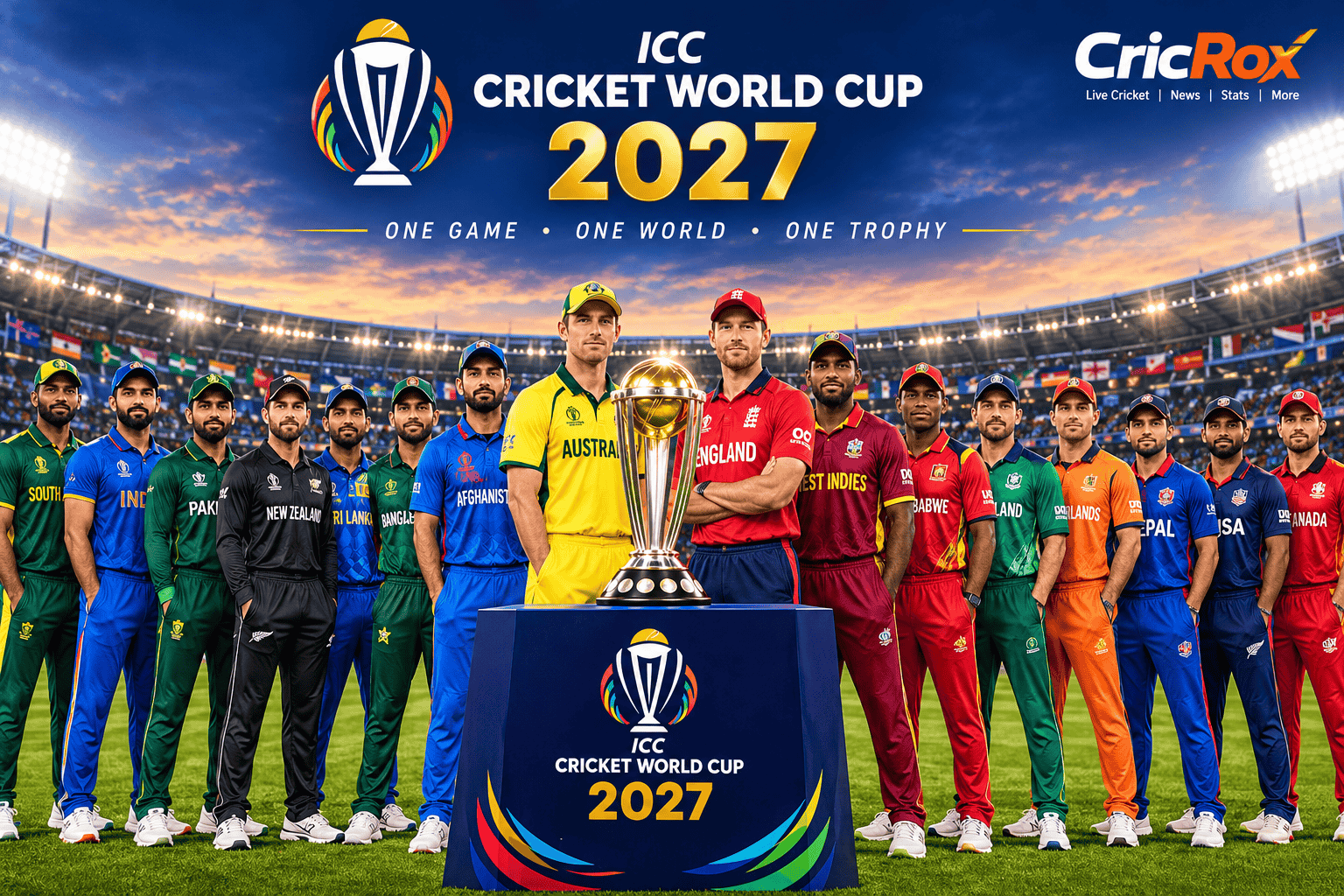
Now the team heads into the 2027 World Cup in South Africa, Zimbabwe and Namibia as a direct qualifier, placed in Group B. For a side that began on colonial grounds nearly two centuries ago, the chance to compete again among the best is a reminder of how far Sri Lanka has come. Stay with Cricrox for squad news, previews and live coverage as the build up continues.